
What is a Concussion? Symptoms, Myths, and How Active Rehab Can Help
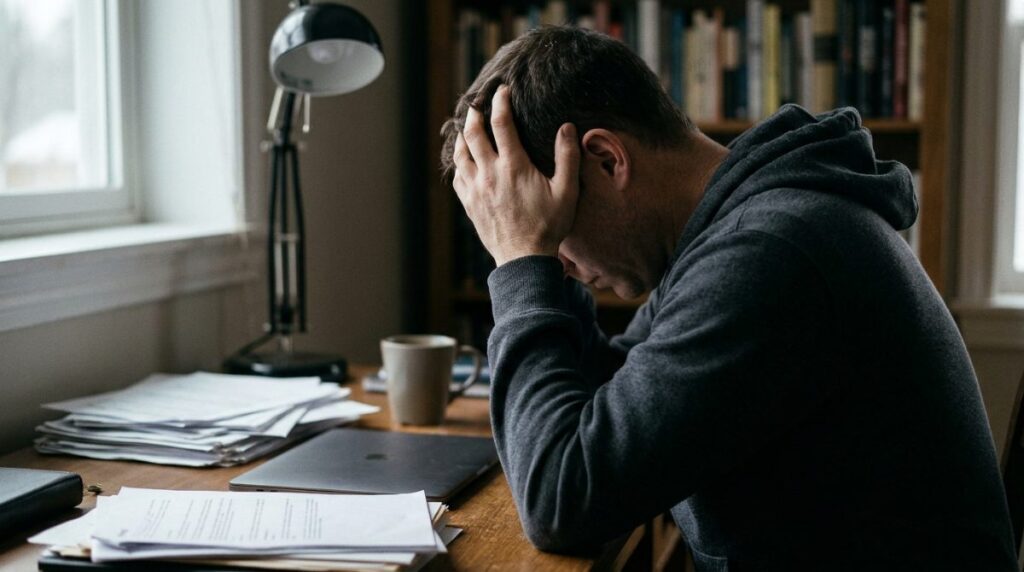
If you or someone you love has recently experienced a blow to the head or body, you might be asking: What is a concussion, and what should I actually do next?
Concussions are one of the most misunderstood injuries in health and sports. Misconceptions about recovery often lead to unnecessary isolation, delayed healing, or ongoing symptoms.
Below, we break down what a concussion actually is, clear up widespread recovery myths, and explain how a tailored physiotherapy approach can help you safely return to the activities you love.
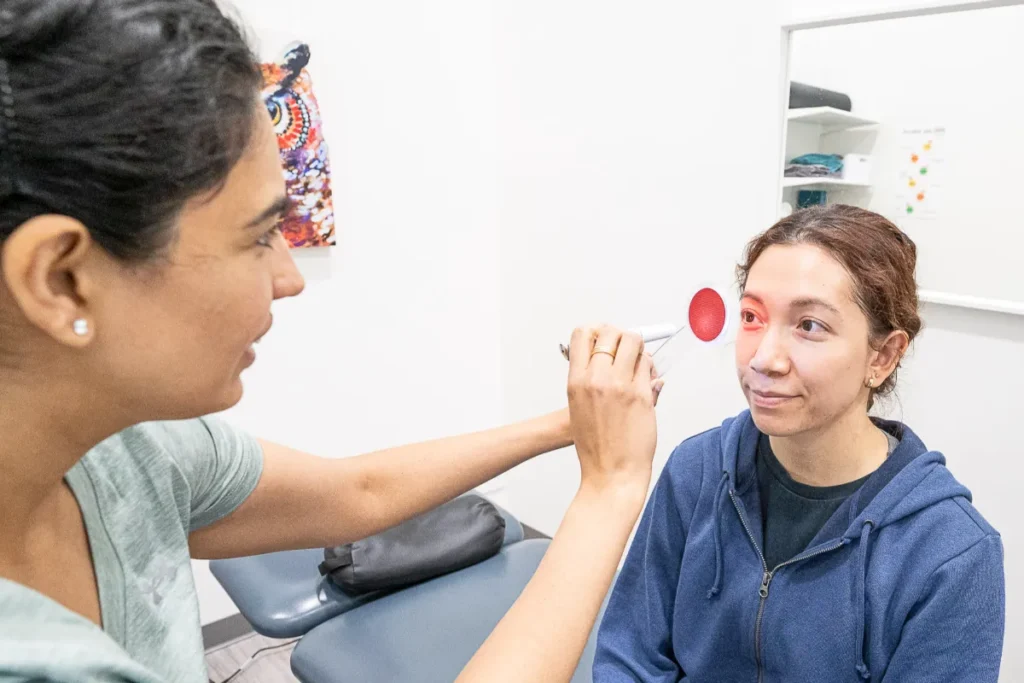
Defining Sport and Activity-Related Concussions
According to the 6th International Conference on Concussion in Sport, a concussion (often referred to medically as a mild traumatic brain injury or mTBI) is defined as:
“A traumatic brain injury caused by a direct blow to the head, neck or body resulting in an impulsive force being transmitted to the brain that occurs in sports and exercise-related activities.”
The 10% Consciousness Myth
One of the most frequent misconceptions is that you have to lose consciousness (pass out) to have a concussion. In reality, loss of consciousness occurs in less than 10% of concussions. You can sustain a significant concussion while remaining fully awake.
Recognizing the 4 Domains of Concussion Symptoms
Concussions affect everyone differently. Symptoms generally fall into four primary categories:
| Physical | Cognitive | Sleep | Emotional & Mood |
|---|---|---|---|
| Headaches | Memory issues | Difficulty falling asleep | Irritability |
| Dizziness & lightheadedness | Feeling “foggy” or “slowed down” | Difficulty staying asleep | Anxiety |
| Light & noise sensitivity | Trouble concentrating | Fatigue | Depression |
| Blurred vision | Disorientation & “zoning out” | Moodiness | |
| Balance issues | Word-finding difficulties |
If you are experiencing any combination of these symptoms following an impact, a professional concussion assessment is critical.
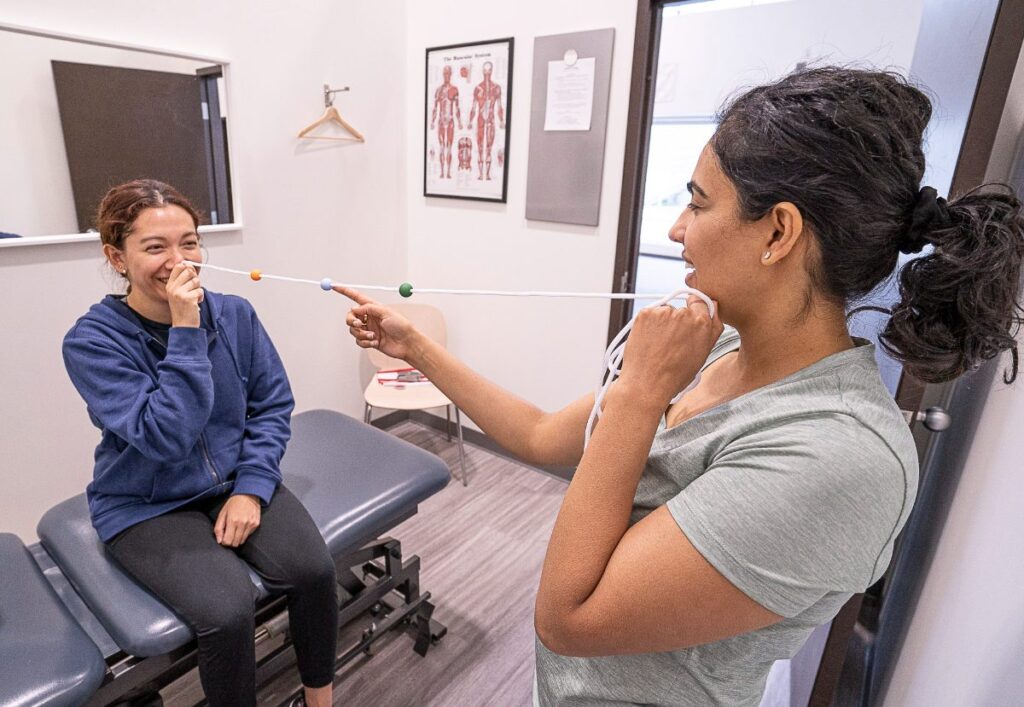
Busting 6 Common Concussion Myths
Understanding modern concussion care is key to a faster, safer recovery. Here is the truth behind some of the most common concussion myths:
| Concussion Myth | The Medical Fact |
|---|---|
| “Complete rest in a dark room is the best way to recover.” | Strict, prolonged isolation in a dark room actually impedes recovery by reducing sensory input. While 24–48 hours of initial rest is beneficial, modern guidelines recommend early, light activity guided by a trained professional. |
| “All you can do is wait it out.” | While healing takes time, active rehabilitation—such as guided sub-threshold aerobic exercise and targeted therapies—speeds up recovery safely. |
| “You need to wake someone every 2 hours after a concussion.” | While monitoring during the initial 4–6 hours post-injury is important to rule out complications, undisturbed sleep after that window is essential for brain healing. |
| “You should push through your symptoms to get better.” | “No pain, no gain” does not apply to brain recovery. Pushing through severe symptoms can prolong your recovery timeline. When symptoms flare up, short physical and cognitive breaks are necessary. |
| “Concussion symptoms are permanent.” | Thanks to neuroplasticity, our brains have an incredible capacity to adapt, heal, and form new connections throughout our lifetime. |
| “Concussion treatments are one-size-fits-all.” | No two concussions are identical. Factors like neck stiffness, visual/vestibular dysfunction, and prior injuries mean recovery requires a personalized treatment plan. |
Why Proper Management Matters (And Lingering Symptoms)
Without proper, individualized care, concussion symptoms can linger for weeks or months—a condition known as Persistent Post-Concussion Syndrome (PPCS). Unmanaged injuries can lead to persistent headaches, brain fog, fatigue, and mood changes that disrupt work, school, and daily living.
Furthermore, returning to high-impact activities too quickly or sustaining repeated unmanaged concussions increases the long-term risk of cognitive decline.
The good news? With the RIGHT management and active rehabilitation, full recovery is completely achievable.
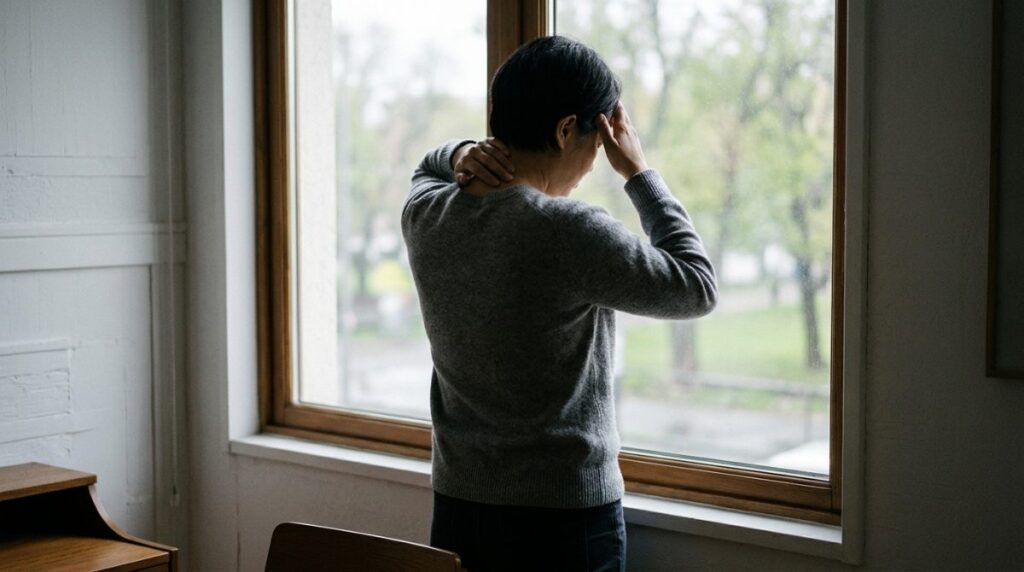
Still Feeling “Off” Months After an Injury? We Can Help.
Because no two concussions present the same way, recovery should never be a guessing game.
At Move to Move, our physiotherapists use evidence-based concussion management techniques—including vestibular therapy, cervical spine rehab, and individualized return-to-play or return-to-work protocols—to address the root cause of your symptoms.
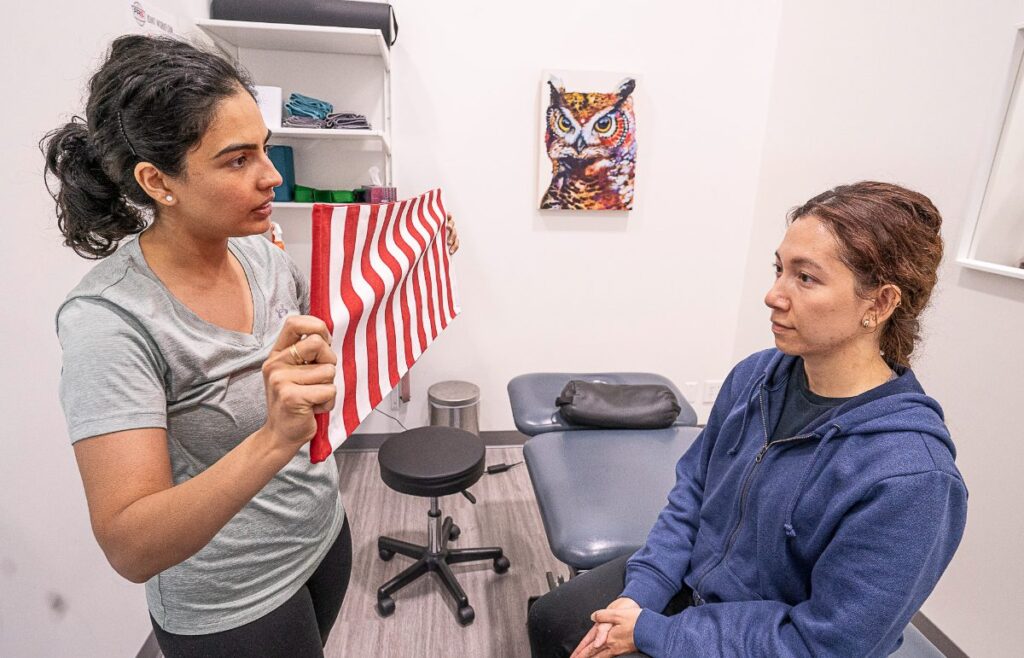
- Did you experience a concussion recently? Let us help you navigate your initial recovery safely.
- Have you been living with lingering symptoms from an old head injury? It is never too late to rewire the brain and find relief.
👉 Ready to get back to moving comfortably? Book a Concussion Assessment at Move to Move Today or give our clinic a call to speak with one of our practitioners.
About the Author: Kanika Sabhani, DPT, is a physical therapist at Move to Move. Her practice focuses on evidence-based rehabilitation, spinal mechanics, concussion management, and vestibular health. She works closely with patients to improve movement efficiency, recover from acute strains, and build physical resilience for everyday activities like autumn yard maintenance.