
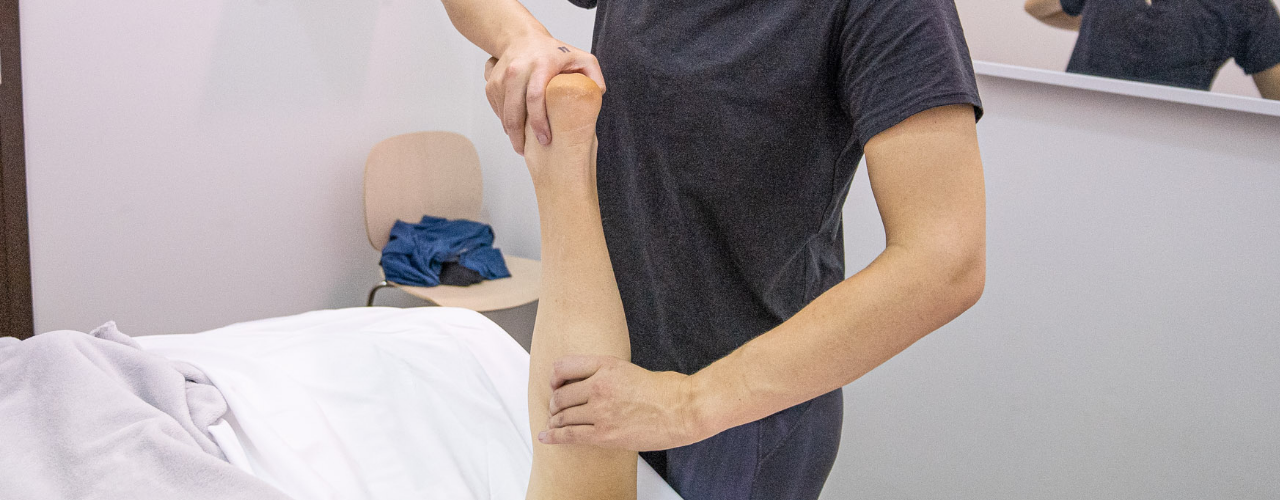
A Hands-On Approach to Healing
Did you know science has shown that human touch has significant therapeutic value? At MOVE TO MOVE, we incorporate human touch into our treatment plans with massage therapy.
Massage therapy can be extremely beneficial and isn’t just for pampering! Athletes, people in pain, and stress seekers can all benefit. It helps with healing injuries, reducing pain, scar reduction, and promoting overall health and wellness.
Do you want to experience the benefits of massage therapy for yourself? Request an appointment with one of our dedicated registered massage therapists today!
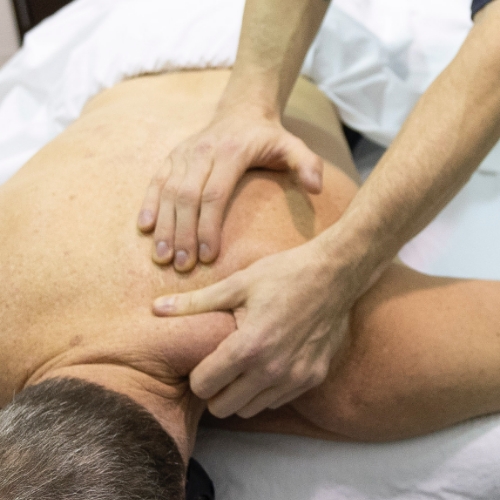
Who Can Benefit from Massage Therapy?
Several different conditions can benefit from massage therapy, including the following:
Soft Tissue Injuries
Massage therapy excels at treating soft tissue injuries, like strains, sprains, tendonitis, and even lower back pain. These involve muscles, tendons, ligaments, and fascia (connective tissue). By improving blood flow and reducing inflammation, massage therapy aids healing and can even improve joint mobility through specific techniques.
Tension Headaches
Some headaches can stem from muscle restrictions, especially in the head and neck. Working out those restrictions can help ease headache pain.
Back pain
Massage can be especially helpful for lower back pain, a very common complaint.
Osteoarthritis
While massage can’t cure arthritis, it can help manage symptoms including joint pain and stiffness.
Sports injuries
Massage can help athletes recover from injuries faster and improve their range of motion.
Scar Management Post Surgery or Injury
Scar tissue from surgery or injuries can limit movement. Massage therapy helps break it down and improve blood flow, leading to faster healing, better flexibility, and quicker return to normal activities.
Massage Services
Trigger Point Therapy
Trigger points can be defined as an area within a skeletal muscle or fascia that is painful on compression and that can give rise to characteristics referred to as pain and tenderness.
Through touch, the therapist explores the taut band to locate the spot of maximum tenderness (the trigger point).
The therapist then uses various techniques to reduce the neurological tension at the trigger point, to provide relief from discomfort and to re-educate the muscles to perform pain-free movement patterns.
Sports Massage
Sports Massage is a specialized form of massage that helps to alleviate the stress and tension which builds up in the body’s soft tissues during physical activity. Repetitive sport specific movement can directly affect a particular muscle or group of muscles and other tissues. Working on these muscles will help the athlete prepare their bodies to function well during training, recover after the activity, and achieve their optimal performance.
Fascial Release
Fascia is an uninterrupted three-dimensional web of dense connective tissue surrounding muscles. Fascia have been shown to play a significant role in movement, distributing forces and allowing the muscles to perform correctly. Fascia can become compromised via adhesions, scar tissue, and tightness, which can cause significant pain and limitations to movement. Therapists use a number of different techniques to affect the fascial system, including use of cups, tools, and manual release.
Deep Tissue Massage
Deep Tissue Massage dives into the deeper layers of muscles and connective tissues. It’s a go-to for chronic pain and persistent muscle stiffness. Therapists use slow, deliberate strokes and firm pressure, breaking down adhesions and easing tension. This method restores natural movement and provides substantial pain relief. For those dealing with ongoing aches, deep tissue work can be incredibly beneficial.
Scar Massage
Scar massage is a technique that utilizes pressure and friction to improve the appearance and function of scar tissue. Ideally, it should be started early in the healing process, after surgery, once the wound has completely closed and there is no drainage. This technique offers a multitude of benefits, including reduced itching and pain, improved flexibility and movement, softened and flattened scar tissue, better blood circulation, and even reduce scar visibility.
Myofascial Release
Myofascial Release works on the fascia, the connective tissue that wraps around muscles. It’s especially good for chronic pain and mobility issues. By applying steady, gentle pressure, therapists help release tightness in the fascia, which improves flexibility and eases pain. This treatment addresses specific tight spots, enhancing movement and reducing discomfort. It’s particularly useful for people who haven’t found relief with other therapies.
Myofascial Cupping
Feeling tightness, muscle tension, or lingering pain? Myofascial cupping, offered at MOVE TO MOVE, might be the solution you’ve been seeking. This alternative therapy utilizes silicone or glass cups to create a localized vacuum on the skin. This suction gently lifts the fascia, the connective tissue surrounding your muscles, promoting blood flow and aiding in the release of trigger points – those pesky muscle knots that contribute to pain and restricted movement. Myofascial cupping can offer a range of benefits, including improved flexibility, reduced muscle soreness, and faster recovery from injuries. If you’re looking for a natural approach to pain management and improved mobility, consider trying myofascial cupping at MOVE TO MOVE
No matter what brings you to our clinic, the MOVE TO MOVE registered massage therapists will help you manage pain and rehabilitate after an injury. Schedule an appointment today to get started!
FAQs
What Is a Registered Massage Therapist?
Imagine a healthcare professional skilled in the art of touch. A Registered Massage Therapist (RMT) utilizes their hands as therapeutic tools, having completed a specific training program and obtained a license from an accredited school. These RMTs manipulate your soft tissues, encompassing muscles, tendons, ligaments, fascia, and even skin, to address various health concerns.
Tailored Treatments for Diverse Needs
The world of massage therapy caters to a wide range of clients and conditions. Some RMTs focus on preventative care, helping individuals avoid injuries and manage pain. Others prioritize the relaxation aspect of massage, aiming to reduce stress and promote overall well-being.
Ensuring Safe and Effective Practices
The field of massage therapy is regulated to guarantee patient safety. Licensure ensures that RMTs possess the necessary knowledge and skills. Furthermore, they adhere to a strict code of ethics, maintaining their expertise through continuing education, and prioritizing hygiene and safety regulations.
What Are the Different Types of Massage?
Massage therapists have a variety of techniques at their disposal, but some of the most common types of massage they might use include:
- Swedish massage: This is a gentle type of full-body massage that’s ideal for people who are new to massage, have a lot of tension, and are sensitive to touch. It can help release muscle knots and is also a good choice for when you want to relax during a massage fully.
- Deep tissue massage: This is a good option for chronic muscle problems, such as soreness, imbalance, or injury. It uses more pressure than a Swedish massage. It is intended to relieve muscle tension by applying slow, forceful strokes to target the deeper muscle and connective tissue layers.
- Sports massage: This is designed to prevent and treat injuries and improve athletic performance. It can be beneficial for all types of athletes, from professionals to casual joggers. The techniques used in sports massage are similar to those in Swedish and deep tissue massage, but the therapist may include stretches, and the session may be targeted to a specific part of the body.
- Trigger point massage: This type of massage focuses on areas of tight muscle fibers or “knots” that can form in muscles after injuries or overuse. The massage therapist uses concentrated pressure on these areas to release the knots.
- Prenatal massage: This is a safe way for women to receive a massage during pregnancy. It can reduce pregnancy body aches and stress and ease muscle tension.
Our massage therapists will decide what type of massage you need based on various factors, including your physical condition, any pain or discomfort you’re experiencing, your stress levels, and your overall goals for the session.
What Can I Expect From My Massage Therapy Sessions?
Before the massage begins, you’ll discuss your reasons for being there, your current physical condition, and any specific areas in which you are experiencing pain or would like to address during your massage.
Before your massage, our massage therapist will leave the room while you undress. You undress to your level of comfort. Some people choose to undress completely, while others prefer to keep underwear on. You will lie on the massage table, under a sheet or blanket.
A typical full-body massage covers the areas of the neck, back, shoulders, legs, feet, arms, and hands. The therapist will use a lubricant, such as oil or lotion, to allow for smooth strokes. The pressure will be adjusted based on your comfort level. A massage can last anywhere from 30 to 90 minutes, but a typical full-body massage session lasts about 60 minutes.
Once the massage is complete, the therapist will leave the room for you to get dressed. Taking your time getting up is a good idea, as you might feel light-headed. After the massage, you should drink plenty of water to help flush out the toxins released from your muscles.
Remember, every massage and every therapist is different. Communication is key to getting the best therapeutic benefit from your massage session.
Your Next Steps…
Request An Appointment
Receive A Custom Treatment Plan
Work Hard and Progress In Your Recovery
Recover & Enjoy Life Pain-Free!