
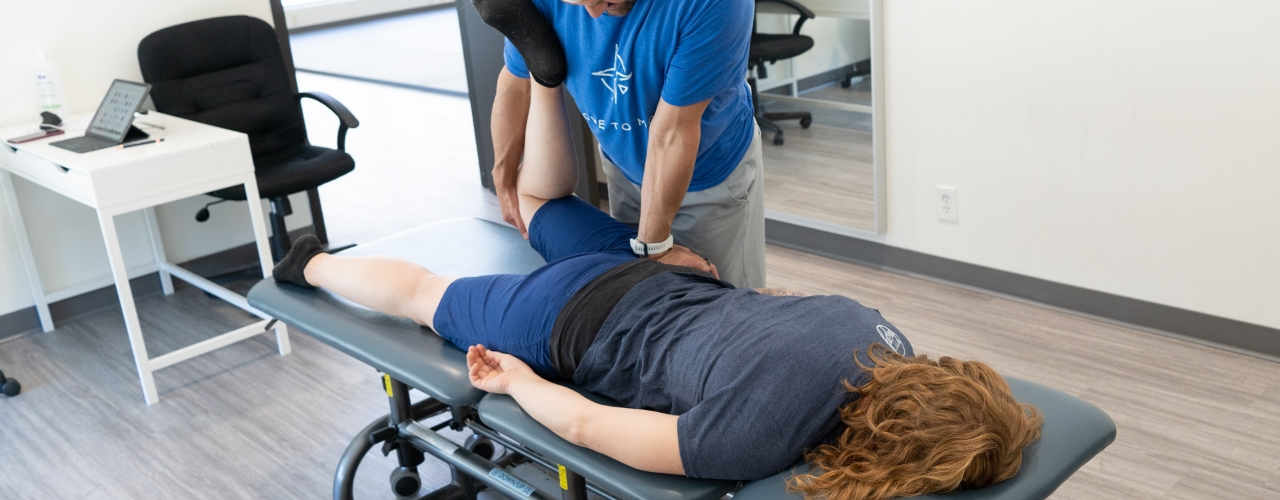
Effective Management of Work-Related Injuries with Physiotherapy
Work-related injuries are a common issue that can significantly impact your ability to perform job duties and affect your quality of life. At MOVE TO MOVE, our skilled physiotherapists specialize in treating work-related injuries using evidence-based practices. Our goal is to help you recover quickly and safely, enabling you to return to work with confidence.
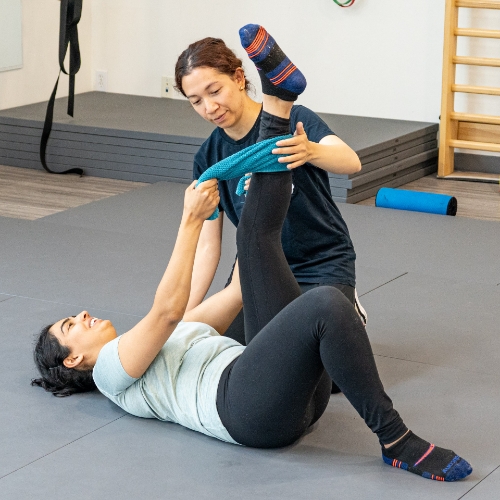
Common Work-Related Injuries Treated by Physiotherapists
Our physiotherapists routinely work with people dealing with work-related injuries like the following:
Repetitive Strain Injuries (RSI)
These injuries occur from repetitive motions that strain muscles, tendons, and nerves. Examples include carpal tunnel syndrome in the wrist and tendonitis in the elbow or shoulder.
Low Back Pain
Prolonged sitting, awkward postures, or heavy lifting can contribute to lower back pain, a common complaint in many professions.
Sprains and Strains
Slips, falls, or improper lifting techniques can lead to sprains (ligament tears) and strains (muscle tears) in various body parts, such as the neck, back, knees, and ankles.
Disc Injuries
Heavy lifting or awkward postures can stress the spine, potentially causing herniated discs and resulting in pain, numbness, or weakness.
Post-Surgical Rehabilitation
Following surgery for a work-related injury, physiotherapy is essential for regaining strength and mobility in the affected area.
Work Conditioning
Physiotherapists can design exercise programs to enhance strength, endurance, and job-specific skills, helping workers return to their duties.
How Physiotherapy Can Help with Work-Related Injuries
The type of work-related injuries a physiotherapist treats depends on factors such as industry, job demands, and individual risk factors. For instance, construction workers might frequently suffer from shoulder or knee injuries. In contrast, office workers often experience neck and back pain.
Here’s how physiotherapists can help with some common work-related injuries:
Carpal Tunnel Syndrome
Physiotherapists can use splinting, ergonomic modifications, and specific exercises to reduce pain and improve hand function.
Low Back Pain
Through manual therapy, core strengthening exercises, and postural education, physiotherapists can address pain and enhance spinal stability.
Sprains and Strains
Physiotherapists use modalities such as ultrasound or electrical stimulation to manage pain and inflammation. They also design exercises to restore flexibility, strength, and proper movement patterns.
Disc Herniations
Following surgery or in some non-surgical cases, physiotherapy focuses on strengthening core muscles to support the spine and improve pain and function.
Our skilled physiotherapists use various techniques to reduce pain and inflammation, helping patients regain comfort and function. We use research-supported exercise programs to help restore range of motion and strength in injured areas, promoting better movement.
Early intervention with physiotherapy can help prevent chronic pain, stiffness, and movement limitations that can develop after work-related injuries.
Start Your Recovery Today
Don’t let work-related injuries hinder your professional life—contact MOVE TO MOVE to schedule an appointment with one of our experienced physiotherapists. We will develop a personalized treatment plan to help you manage your pain, improve your mobility, and get back to work safely and effectively!
Your Next Steps…
Request An Appointment
Receive A Custom Treatment Plan
Work Hard and Progress In Your Recovery
Recover & Enjoy Life Pain-Free!